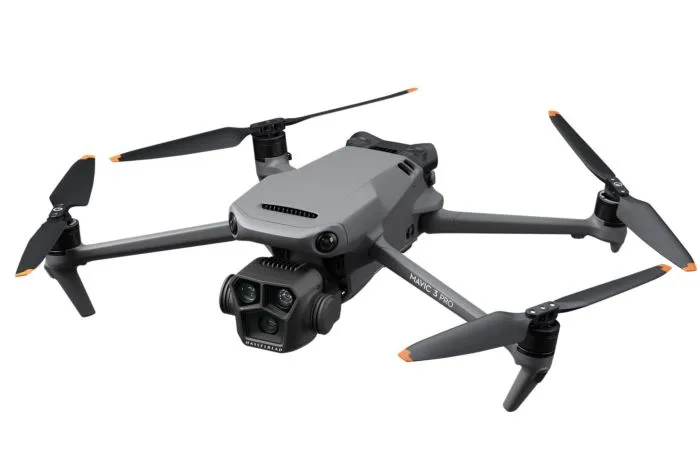
DJI Mavic 3 Pro: The Complete Guide
Inspiration in Focus – DJI's Triple-Camera Flagship
Hasselblad Camera SystemWhen DJI wants to show what's possible in consumer drone technology, they build a Mavic 3. The Mavic 3 Pro, launched in April 2023, takes that flagship philosophy and pushes it further than ever before: three cameras, three focal lengths, and a Hasselblad-branded main sensor that delivers genuinely exceptional image quality. This isn't just a drone – it's a complete aerial camera system that happens to fly.
The "Pro" designation isn't marketing fluff. Where the standard Mavic 3 offered dual cameras (wide and telephoto), the Mavic 3 Pro adds a medium telephoto to create the world's first consumer drone with three distinct focal lengths. You get the sweeping landscapes of 24mm, the versatile framing of 70mm, and the dramatic compression of 166mm – all in a single aircraft that folds down to fit in a camera bag.
The Important Specs

At nearly a kilogram, the Mavic 3 Pro is substantially heavier than DJI's more portable offerings – registration and proper flight planning are non-negotiable. But that weight enables a 4/3-inch main sensor (four times larger than the Mini 4 Pro's sensor), robust build quality, and the kind of wind resistance that keeps you flying when conditions turn challenging.
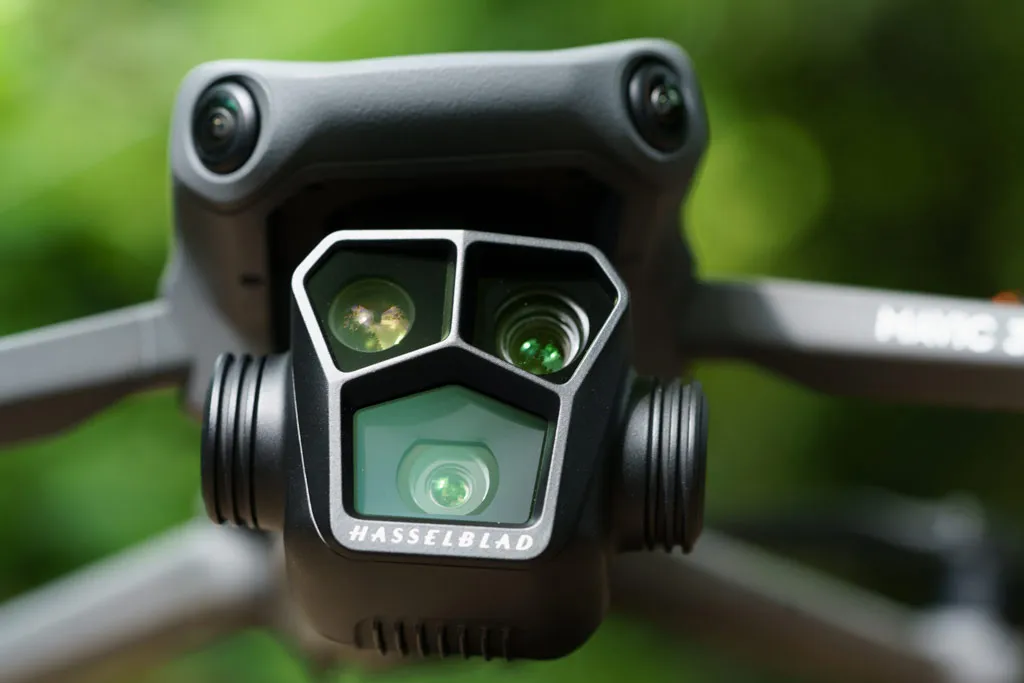
The Mavic 3 Pro's triple camera system is visible in the prominent gimbal housing
Triple Camera System: Three Perspectives, Infinite Possibilities
The Mavic 3 Pro's camera system deserves detailed examination, because it's what sets this drone apart from everything else on the market. Three cameras, three sensors, three lenses – each optimised for different shooting scenarios, all accessible with a tap of the screen.
Hasselblad Wide-Angle
- Sensor: 4/3" CMOS, 20MP
- Aperture: f/2.8 - f/11
- FOV: 84°
- Video: 5.1K/50fps, 4K/120fps
- 12.8 stops dynamic range
Medium Tele (3x)
- Sensor: 1/1.3" CMOS, 48MP
- Aperture: f/2.8
- FOV: 35°
- Video: 4K/60fps
- Focus: 3m to ∞
Telephoto (7x)
- Sensor: 1/2" CMOS, 12MP
- Aperture: f/3.4
- FOV: 15°
- Video: 4K/60fps
- Focus: 3m to ∞
The Hasselblad main camera is the star of the show. That 4/3-inch sensor is massive by drone standards – roughly four times the surface area of a 1-inch sensor and sixteen times larger than a 1/2.3-inch chip. More sensor area means more light gathering, better dynamic range, and cleaner low-light performance. The variable aperture (f/2.8 to f/11) provides creative control over depth of field and exposure that smaller sensors simply can't match.
DJI's partnership with Hasselblad – the legendary Swedish camera manufacturer whose equipment has been to the moon – means more than just a badge. The colour science, known as Hasselblad Natural Colour Solution (HNCS), delivers exceptionally accurate, pleasing colours straight from the camera. Skin tones look natural, landscapes look true to life, and there's a richness to the imagery that sets it apart from other drones.
Understanding the Three Lenses
24mm: Your primary landscape and establishing shot lens. Wide enough to capture expansive scenes, controlled enough to avoid excessive distortion. Use for epic reveals, architecture, and any shot where context matters.
70mm: The versatile middle ground. Compresses perspective slightly, isolates subjects from backgrounds, and works brilliantly for environmental portraits and detailed landscape features.
166mm: Maximum compression and reach. Stacks distant elements together dramatically, pulls in remote subjects, and creates perspectives impossible with wider lenses. Use sparingly but powerfully.
Video Capabilities: Cinema-Grade Options
The Mavic 3 Pro's video specifications are exceptional across all three cameras. The Hasselblad main camera tops out at 5.1K resolution (5120×2700) at 50fps, or 4K at up to 120fps for smooth slow motion. The 70mm medium tele and 166mm tele both max out at 4K/60fps, which is more than adequate for professional work.
All three cameras support 10-bit D-Log M colour profile, capturing over a billion colours with extended dynamic range for colour grading. The main camera boasts 12.8 stops of dynamic range – enough to capture detail in both shadows and highlights simultaneously in high-contrast scenes. HLG mode provides a middle ground for those who want usable footage without extensive grading.
For professional workflows, the Mavic 3 Pro Cine variant adds Apple ProRes codec support (422 HQ, 422, and 422 LT) and a 1TB internal SSD. ProRes is the industry standard for broadcast and cinema post-production, and having it available in a foldable drone opens up professional applications that were previously unthinkable.
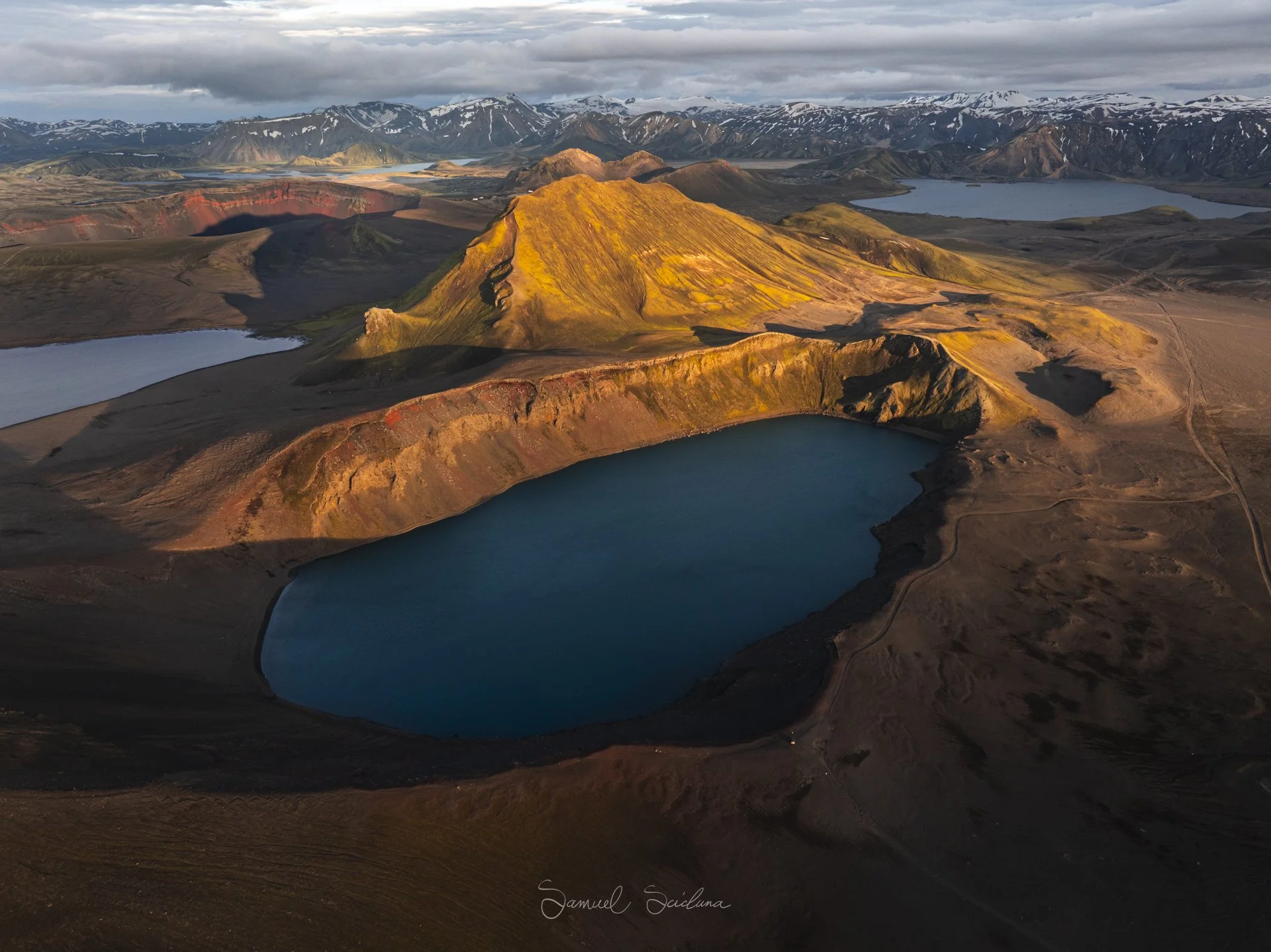
The 4/3" Hasselblad sensor delivers stunning dynamic range and colour accuracy
Variable Aperture
The main camera's f/2.8-f/11 aperture range allows creative control over depth of field and exposure – a rarity in drone cameras.
10-bit Colour
Over a billion colours captured in D-Log M mode, compared to 16.7 million in 8-bit. Essential for professional colour grading workflows.
High Bitrate Recording
Maximum 200Mbps in H.265, preserving maximum detail. ProRes on the Cine version goes up to a staggering 3,772 Mbps.
4K/120fps Slow Motion
Full 4K resolution at 120fps on the main camera enables dramatic 5x slow motion without resolution compromise.
Flight Performance: Flagship Endurance
The Mavic 3 Pro's 43-minute maximum flight time is among the best in the consumer drone market. In real-world conditions – some wind, varied manoeuvres, occasional hovering – expect 35-38 minutes of useful flight time, which is still exceptional. The 5,000mAh battery (77Wh capacity) provides the energy, charging to 80% in about 55 minutes with the 100W charger.
Maximum horizontal speed reaches 21 m/s (47 mph) in Sport mode, with wind resistance rated to Level 6 (13.8 m/s). That's stronger wind resistance than most consumer drones, allowing you to fly and film in conditions that would ground lighter aircraft. Maximum altitude is 6,000 metres above sea level, covering essentially any accessible terrestrial location.
The O3+ transmission system delivers 1080p/60fps live view with approximately 120ms latency and a maximum range of 15km under ideal FCC conditions. The signal is robust, stable, and handles obstacles and interference well – crucial for professional shoots where losing connection isn't an option.
Professional Flight Features
The Mavic 3 Pro includes advanced automated features like Waypoint Flight (pre-programmed flight paths with reproducible camera actions), Cruise Control (maintaining speed and direction for smooth parallax shots), and Advanced RTH (intelligent return-to-home with obstacle avoidance). For tracking, ActiveTrack 5.0, Spotlight 2.0, and Point of Interest 3.0 cover most professional subject-tracking scenarios.
Omnidirectional Obstacle Sensing
Eight vision sensors plus a powerful computing engine provide omnidirectional obstacle detection on the Mavic 3 Pro. Forward and backward sensing works up to 200 metres for detection, with precise measurement from 0.5-20 metres. Lateral sensing covers 0.5-18 metres, downward sensing works from 0.5-30 metres, and an upward infrared sensor adds overhead protection.
APAS 5.0 uses this sensor data for active obstacle avoidance, automatically routing around obstacles during manual flight and tracking modes. The system is sophisticated enough to plan routes in real-time, adjusting for moving obstacles and complex environments. You can set behaviour to Bypass, Brake, or Off depending on your needs.
For nighttime flying, the Mavic 3 Pro includes auxiliary lights that automatically illuminate in low-light conditions, assisting both the pilot's visibility and the obstacle sensing system. It's a thoughtful addition that expands the drone's usability into dawn, dusk, and even careful night operations.
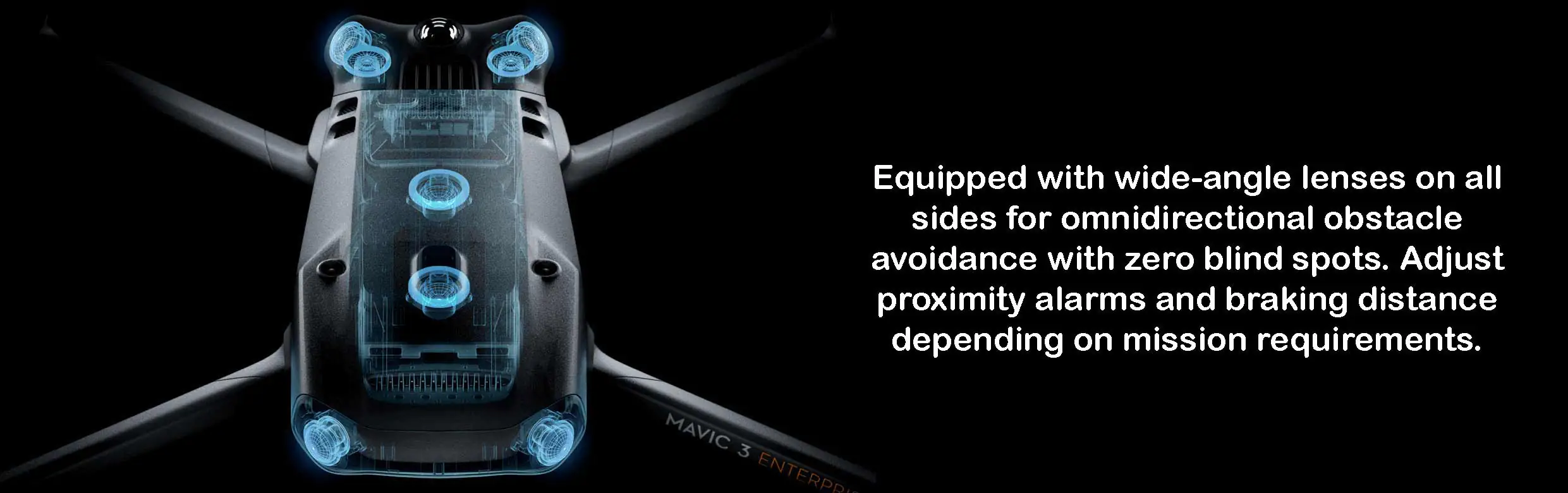
Eight vision sensors provide comprehensive omnidirectional obstacle detection
Standard vs Cine: Which Version?
The Mavic 3 Pro comes in two variants: the standard version and the Cine version. Both share identical cameras, flight performance, and features – the difference is purely about professional video workflow requirements.
The Mavic 3 Pro (Standard) includes 8GB of internal storage and records in H.264 and H.265 codecs. For most users – enthusiasts, prosumers, and even many professionals – this is perfectly adequate. H.265 is widely supported in modern editing software and delivers excellent quality at reasonable file sizes.
The Mavic 3 Pro Cine adds a 1TB internal SSD and Apple ProRes codec support. ProRes is the broadcast and cinema industry standard, offering easier editing (less processor-intensive), better compatibility with professional colour grading workflows, and marginally higher quality at the expense of enormous file sizes. The 1TB SSD is essential – ProRes files are massive.
Do You Need the Cine Version?
If you're delivering to broadcast clients, working in professional post-production houses, or need the absolute maximum quality regardless of file size, the Cine version is worth the premium. If you're editing yourself, posting online, or working with smaller teams, the standard version's H.265 output is genuinely excellent and much more manageable to store and edit.
What's the Damage?
£1,879 / $2,199 Mavic 3 Pro (DJI RC)
£2,549 / $2,999 Mavic 3 Pro Fly More Combo (DJI RC Pro)
£3,889 / $4,799 Mavic 3 Pro Cine Premium Combo
These are flagship prices, and there's no getting around it – the Mavic 3 Pro is a significant investment. But consider what you're getting: a triple-camera aerial system with a 4/3-inch Hasselblad main sensor, 43 minutes of flight time, 15km transmission range, and cinematic video capabilities. This is professional-grade equipment that happens to fold up and fit in a backpack.
The Fly More Combo adds two additional batteries, a charging hub, and the DJI RC Pro controller (with its brighter screen and dedicated controls). For serious users planning extended shoots, it's the smart buy. The Cine Premium Combo includes the 1TB SSD, ProRes support, and a complete accessory package for professional production work.
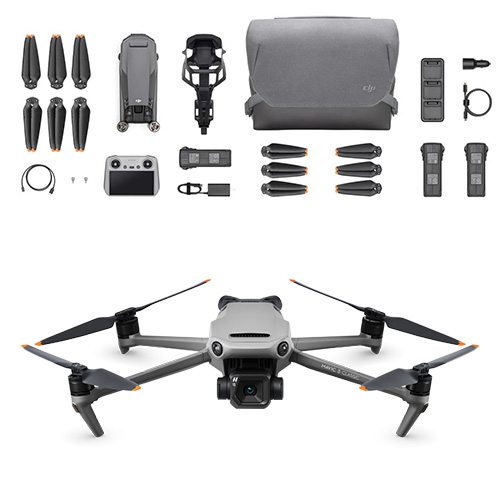
The premium price buys genuinely professional-grade aerial imaging capabilities
Who Should Buy the Mavic 3 Pro?
The Mavic 3 Pro is for users who demand the absolute best image quality and most versatile camera system available in a consumer drone. Professional photographers and videographers who need maximum creative flexibility. Commercial operators who deliver premium content to demanding clients. Serious enthusiasts who want flagship capabilities and have the budget to match.
The triple-camera system is the key differentiator. If you frequently find yourself wishing you could switch focal lengths mid-flight, if you shoot subjects at varying distances, if you want the creative options that multiple perspectives provide – the Mavic 3 Pro delivers what nothing else can.
Who shouldn't buy it? If portability and simplified regulations are priorities, the Mini 4 Pro offers remarkable capability in a sub-250g package. If you don't need the 166mm telephoto and can live with dual cameras, the Air 3 delivers much of the same experience at significantly lower cost. And if you're just starting out, this is probably more drone than you need – start with something more accessible and upgrade when you know your requirements.
The Competition (Such As It Is)
In truth, the Mavic 3 Pro has no direct competition. No other consumer drone offers three cameras with this range of focal lengths. No other drone matches the 4/3-inch sensor size at this weight class. DJI has carved out a category that essentially belongs to them alone.
The closest alternatives are DJI's own products. The Mavic 3 (non-Pro) offers dual cameras with the same Hasselblad main sensor, missing only the 70mm medium tele. The Air 3 provides dual cameras at a more accessible price, though with smaller sensors. The Inspire 3 exceeds the Mavic 3 Pro in every way but costs over £10,000 and is designed for professional cinema production.
From other manufacturers, Autel's Evo II Pro V3 offers a larger 1-inch sensor but only a single camera. Sony's Airpeak is aimed at commercial applications with a vastly different form factor and price point. In the consumer triple-camera space, DJI is alone – and the Mavic 3 Pro is their definitive statement.
The Bottom Line
The DJI Mavic 3 Pro is the most capable consumer drone ever made. Three cameras covering 24mm to 166mm, a 4/3-inch Hasselblad main sensor with variable aperture, 5.1K video with 10-bit colour, 43 minutes of flight time, and the kind of build quality that inspires confidence – it's a specification sheet that reads like a wish list. Yes, it's expensive. Yes, it's heavier than the portable Mini series. Yes, you'll need to register it and plan your flights carefully. But if you want the absolute best aerial imaging system available in a foldable form factor, this is it. The Mavic 3 Pro isn't for everyone – but for those who need its capabilities, nothing else comes close.
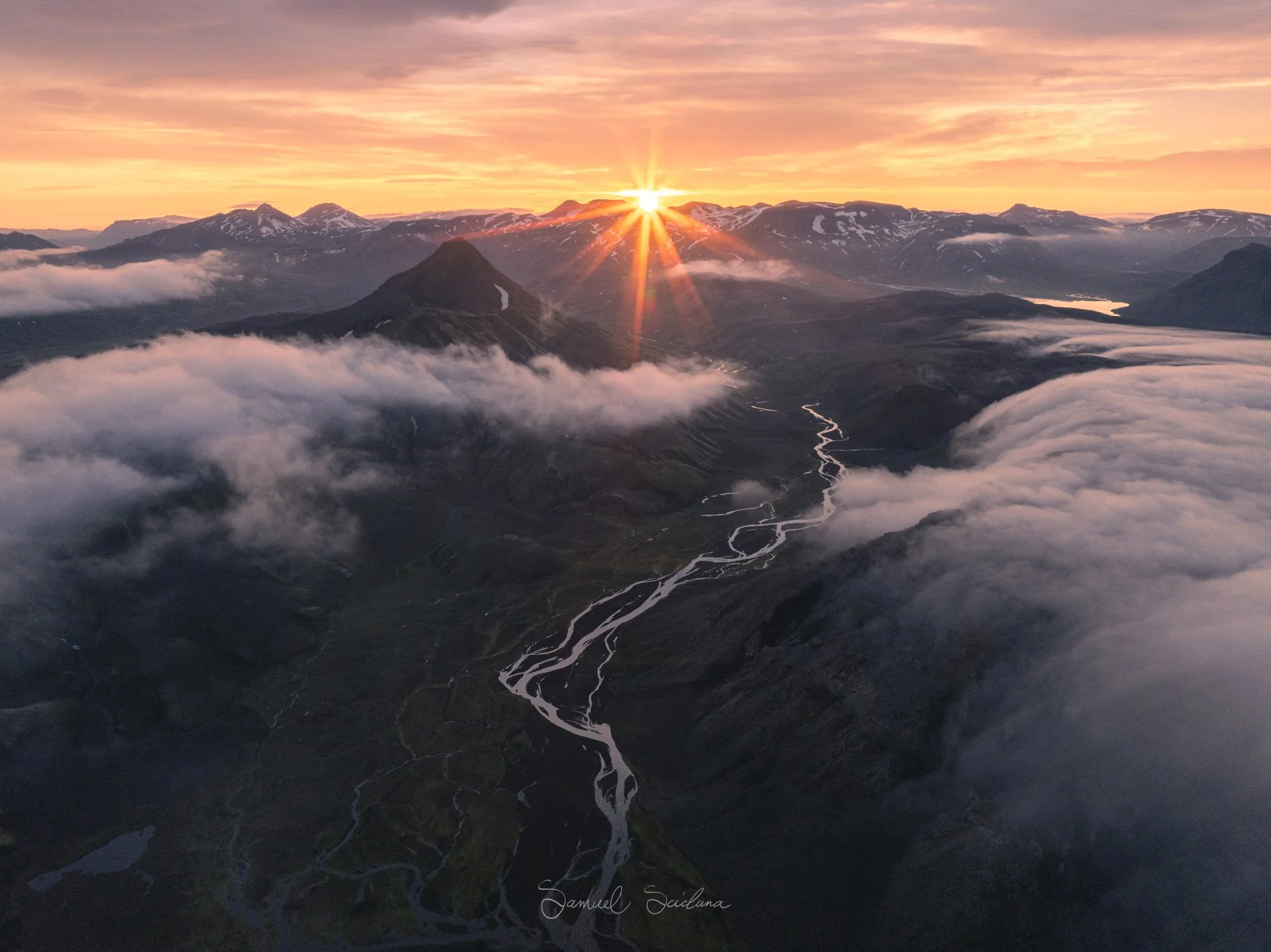
For professional aerial imaging, the Mavic 3 Pro remains the definitive choice
Since its April 2023 launch, the Mavic 3 Pro has become the benchmark against which all other consumer drones are measured. It represents the current pinnacle of what's achievable in a portable, foldable aircraft – a genuine professional tool that you can carry in hand luggage. For aerial photographers and videographers who refuse to compromise, the Mavic 3 Pro delivers everything you could ask for and then some.