DJI Mini 3 Pro: The Complete Guide
Fly Mini, Create Big – The Original Sub-250g Powerhouse
When DJI released the Mini 3 Pro in May 2022, they didn't just update their compact drone lineup – they rewrote the rules of what a sub-250g drone could achieve. For the first time, serious obstacle avoidance, intelligent tracking, 4K/60fps video, and professional features arrived in a package that weighed less than a smartphone. It was a watershed moment for aerial photography, and even with the Mini 4 Pro now available, the Mini 3 Pro remains a remarkably capable and increasingly affordable option.
The Mini 3 Pro was the first DJI Mini to earn the "Pro" designation, and it earned it properly. Previous Mini drones sacrificed features for portability – no obstacle avoidance, limited video specs, basic flight modes. The Mini 3 Pro refused those compromises, delivering capabilities that had previously required much heavier, much more expensive aircraft. It proved that sub-250g didn't have to mean sub-par.
The Important Specs
 By Dan Coveney · Founder & Lead Reviewer · Updated December 17, 2025
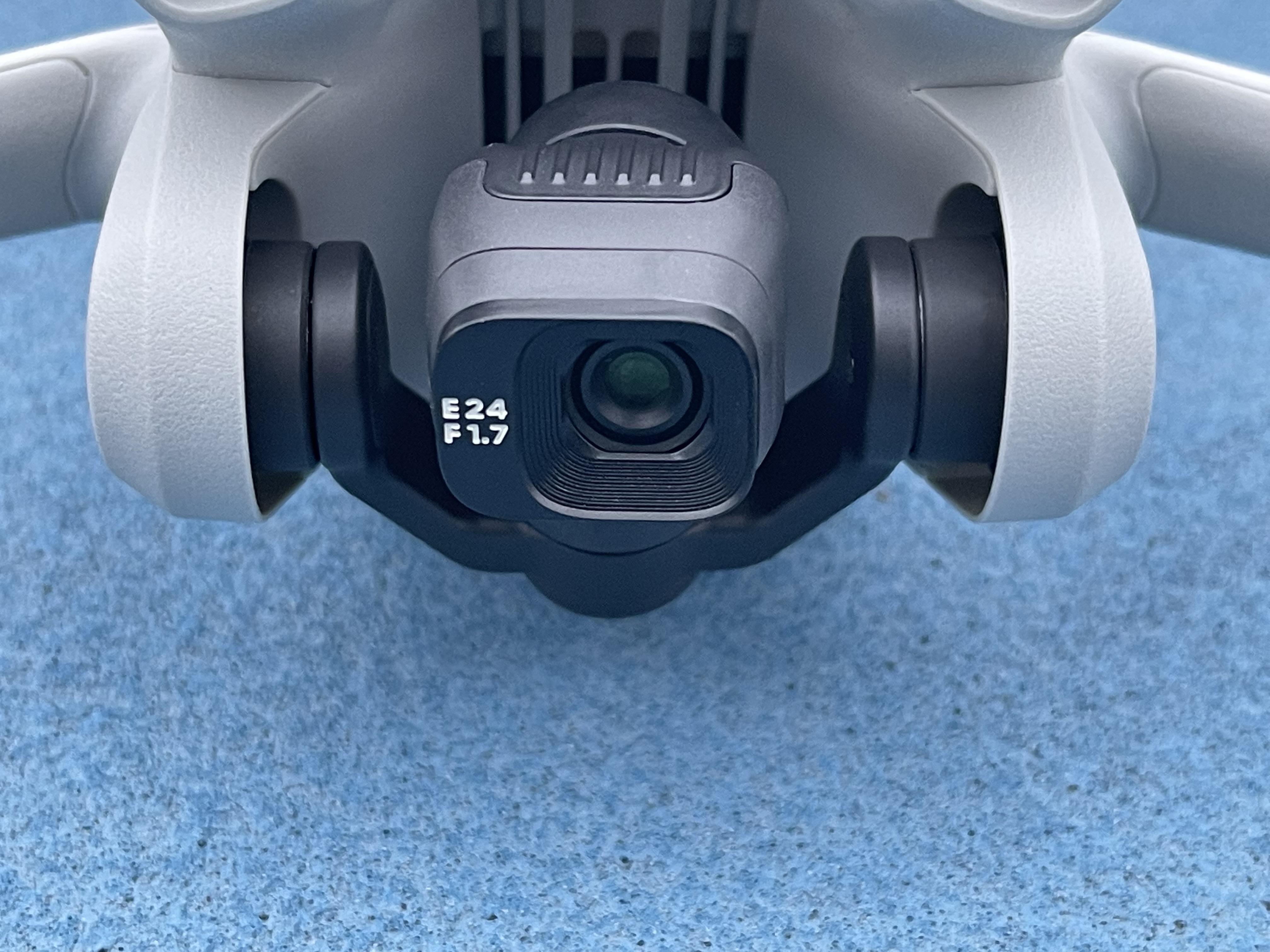
That 1/1.3-inch sensor was a significant upgrade from previous Mini drones, offering genuinely good low-light performance and dynamic range. The f/1.7 aperture is wide by drone standards, letting in plenty of light for dawn, dusk, and indoor shooting. Dual native ISO means the sensor can switch between sensitivity levels to maintain image quality across lighting conditions.
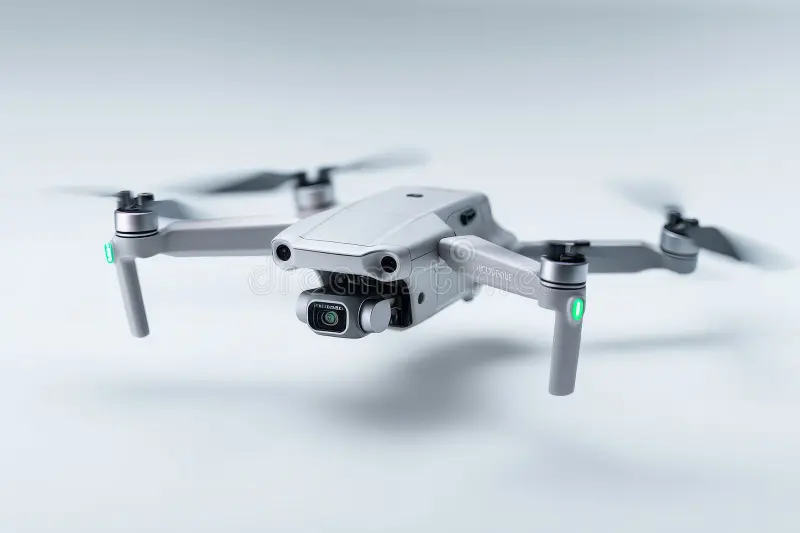
The Mini 3 Pro brought professional features to the sub-250g category
Camera System: Serious Imaging, Compact Body
The Mini 3 Pro's camera represented a generational leap for the Mini series. The 1/1.3-inch sensor with 48 megapixels captures far more light than the 1/2.3-inch sensors in budget drones, translating to cleaner images, better shadow detail, and improved performance when the sun isn't cooperating. The f/1.7 aperture is among the widest available on any drone, enhancing low-light capability further.
Video recording tops out at 4K (3840×2160) at 60 frames per second – smooth, detailed, and suitable for professional work. The 150Mbps maximum bitrate preserves plenty of detail for editing and colour grading. For slow motion, drop to 1080p and you can shoot at 120fps, yielding 4x slow motion at standard playback speeds.
Photo modes include full 48MP resolution (8064×6048 pixels) with RAW (DNG) support for maximum post-processing flexibility, or 12MP with pixel binning for cleaner results in lower light. The Quad Bayer sensor design means you can choose between resolution and low-light performance depending on conditions.
True Vertical Shooting
The gimbal rotates 90° to capture native portrait-orientation video and photos. No cropping, no quality loss – genuine vertical content straight from the drone.
Upward Gimbal Tilt
The Mini 3 Pro was the first DJI Mini that could look upward, with a gimbal range extending to +60°. Film buildings from below, capture dramatic sky reveals, or shoot unique perspectives.
Dual Native ISO
The sensor switches between ISO levels to maintain clean images across lighting conditions. Better low-light performance, less noise in shadows.
D-Cinelike Profile
A flat colour profile that preserves dynamic range for colour grading. Not quite as flexible as D-Log M, but offers more latitude than standard profiles.
Vertical Video: Why It Matters
Social media has fundamentally changed video consumption. TikTok, Instagram Reels, YouTube Shorts – all designed for vertical viewing. The Mini 3 Pro's true vertical shooting captures 9:16 content natively, at full resolution, without the quality loss of cropping horizontal footage. For content creators, it's genuinely transformative.
Tri-Directional Obstacle Sensing
Before the Mini 3 Pro, obstacle avoidance on sub-250g drones was essentially non-existent. DJI changed that with tri-directional sensing – forward, backward, and downward coverage using dual-vision sensors in each direction. It's not omnidirectional like the Mini 4 Pro's system, but it covers the most critical angles and makes flying significantly safer.
The forward and backward sensors work from 0.5-12 metres for measurement, with detection range extending further. Downward sensors assist with precision hovering and landing, measuring from 0.5-10 metres. APAS 4.0 (Advanced Pilot Assistance System) uses this data to automatically avoid obstacles – the drone will stop, or route around obstructions if you have Bypass mode enabled.
The main limitation is the lack of lateral (side) sensing. If you're flying sideways – during orbit shots, for example – the drone can't see obstacles approaching from the sides. You'll need to maintain situational awareness and perhaps scout your flight path before complex manoeuvres. The Mini 4 Pro's omnidirectional system addresses this limitation for those who need it.
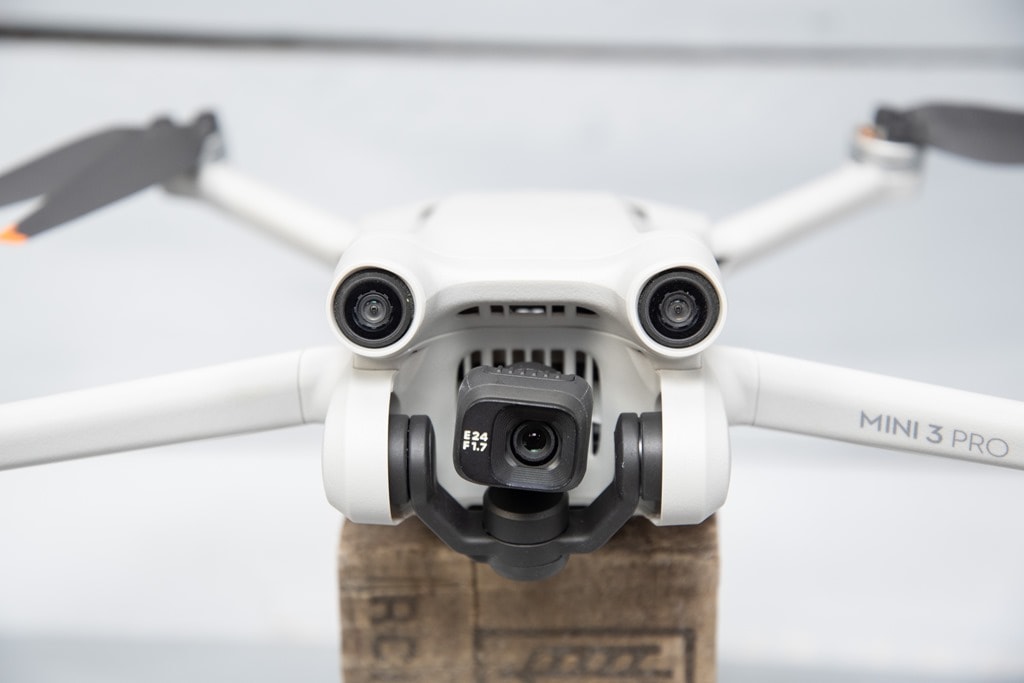
Forward and backward sensors provide protection for the most common flying directions
Intelligent Flight Features
The Mini 3 Pro brought DJI's intelligent flight modes to the sub-250g category for the first time. ActiveTrack 4.0 allows the drone to follow and track moving subjects – people, vehicles, boats – whilst maintaining smooth, centred framing. It's not quite as sophisticated as the ActiveTrack 5.0 in newer drones, but it works well for most tracking scenarios.
MasterShots automates cinematic sequences, executing pre-programmed combinations of movements and camera angles to create polished, shareable clips with minimal effort. Select a subject, let the drone work through its routine, and receive an edited video ready for social media. It's not a replacement for creative piloting, but it's remarkably effective for quick content.
QuickShots cover the classics: Dronie, Helix, Rocket, Circle, and Boomerang. Each generates professional-looking footage with a single tap. Point of Interest creates smooth orbital shots around a selected subject. FocusTrack groups ActiveTrack, Spotlight, and Point of Interest for easy access.
ActiveTrack 4.0
Automatically follows and tracks subjects whilst keeping them centred in frame. Works with people, vehicles, and other moving objects.
MasterShots
Automated cinematic sequences that combine multiple movements and camera actions into polished, shareable clips.
QuickShots
One-tap automated shots: Dronie, Helix, Rocket, Circle, and Boomerang. Professional results with zero piloting skill required.
Panorama Modes
Sphere, 180°, and vertical panoramas captured automatically. The drone shoots multiple images and stitches them together.
Battery Options: Choose Your Priority
The Mini 3 Pro offers two battery options with distinct trade-offs. The standard Intelligent Flight Battery (2453mAh, 80.5g) keeps the total aircraft weight under 249g, delivering up to 34 minutes of flight time. This is the battery for users who prioritise regulatory simplicity – no registration required in most jurisdictions for recreational use.
The Intelligent Flight Battery Plus (3850mAh, 121g) extends flight time to an impressive 47 minutes – nearly 50% longer than the standard battery. However, it pushes the total weight to approximately 290g, which exceeds the 250g threshold and triggers registration requirements in most countries. For commercial operators or hobbyists who don't mind registration, the extended flight time is genuinely valuable.
Charging times are reasonable: roughly 64 minutes for the standard battery, 101 minutes for the Plus battery using the included charger. The optional two-way charging hub can charge multiple batteries sequentially and also serves as an external power bank for your phone or other devices.
Standard vs Plus Battery
Choose Standard if: You want simplified regulations, lighter weight for travel, and 34 minutes is sufficient for your needs.
Choose Plus if: You need maximum flight time, don't mind registration requirements, and want fewer battery swaps during shoots.
Controller Options
The Mini 3 Pro launched with two controller options. The RC-N1 is a traditional design that uses your smartphone as a display – connect via USB cable, mount your phone, and you're flying. It's compact and lightweight, though dependent on your phone's screen brightness and battery life.
The DJI RC (original version) integrates a 5.5-inch touchscreen directly into the controller, eliminating phone dependency. The 700-nit display is visible in direct sunlight, the dedicated device means no notification interruptions, and you don't drain your phone battery whilst flying. For most users, it's the better experience.
Note that the Mini 3 Pro uses the older O3 transmission system (not O4 like the Mini 4 Pro), with a maximum range of 12km under FCC conditions. In practice, this provides solid, reliable connectivity for any legal flying scenario – you'll be well beyond visual line of sight before you approach transmission limits.
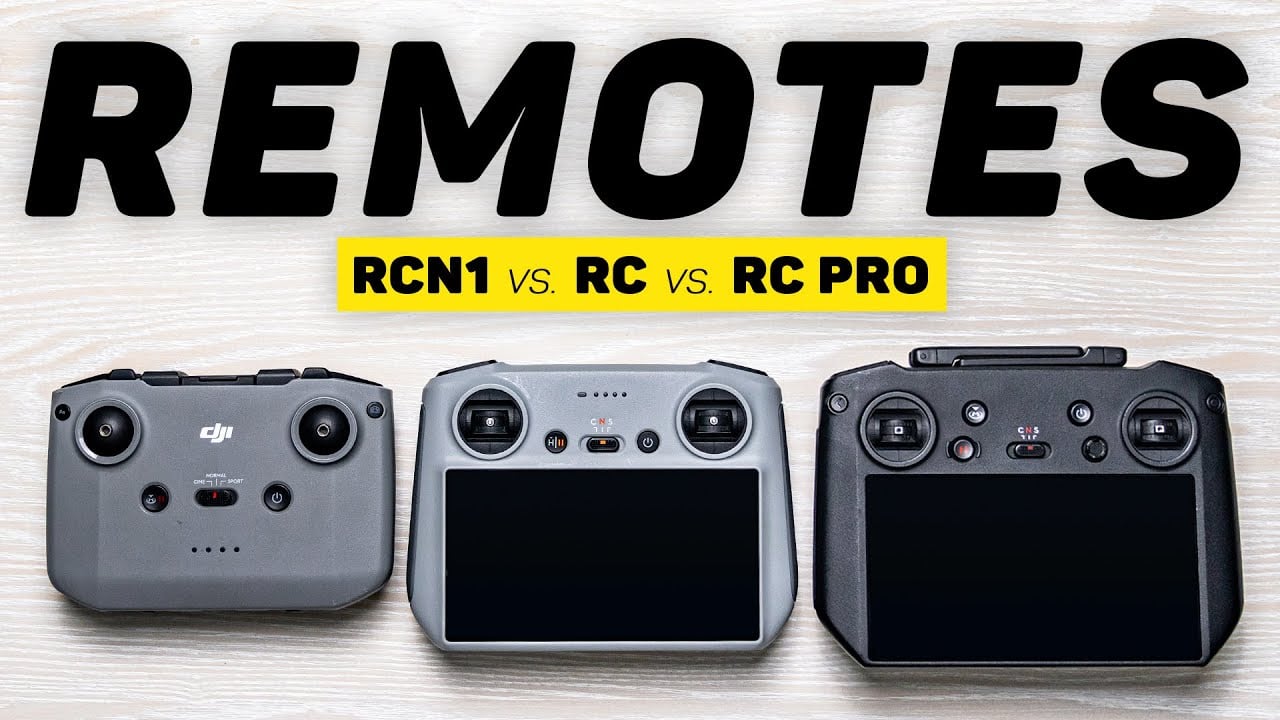
The DJI RC controller with integrated screen provides the best flying experience
Mini 3 Pro vs Mini 4 Pro: Which to Choose?
With the Mini 4 Pro now available, the obvious question is whether the Mini 3 Pro still makes sense. The answer depends on your priorities and budget.
Key Differences
| Feature | Mini 3 Pro | Mini 4 Pro |
|---|---|---|
| Obstacle Sensing | Tri-directional (F/B/D) | Omnidirectional (all directions) |
| Video | 4K/60fps, 1080p/120fps | 4K/100fps, 4K/60fps HDR |
| Transmission | O3, 12km range | O4, 20km range |
| ActiveTrack | ActiveTrack 4.0 | ActiveTrack 360° |
| Price (with RC) | ~£585 (discounted) | ~£839 |
The Mini 4 Pro is objectively better in almost every measurable way – omnidirectional sensing, faster slow motion, longer range, improved tracking. But the Mini 3 Pro costs significantly less, especially at current discounted prices, and delivers 90% of the capability for considerably less money.
If omnidirectional obstacle sensing is essential to you (flying in complex environments, less experienced piloting), the Mini 4 Pro is worth the premium. If you're comfortable with forward/backward sensing and want to save £200+, the Mini 3 Pro remains an excellent choice.
What's the Damage?
~£479 / $599 Mini 3 Pro (RC-N1) - Discounted
~£585 / $699 Mini 3 Pro (DJI RC) - Discounted
~£849 / $999 Fly More Combo (DJI RC + 3 batteries)
These prices reflect significant discounts from the original launch prices, making the Mini 3 Pro exceptional value. At current pricing, you're getting a genuinely professional sub-250g drone for entry-level money. The Fly More Combo adds batteries and accessories that would cost considerably more purchased separately.
Refurbished units from DJI's official store offer even better value – typically 15-20% below new prices with full manufacturer warranty. If you're comfortable with refurbished products, it's an excellent way to get Mini 3 Pro capability at Mini 4K pricing.
Who Should Buy the Mini 3 Pro in 2025?
The Mini 3 Pro makes sense for users who want serious sub-250g capability without paying flagship prices. Content creators who need vertical video. Travellers who want maximum features with minimal weight and regulatory hassle. Hobbyists upgrading from budget drones who want a significant step up without breaking the bank.
It's also ideal for users who've evaluated the Mini 4 Pro and concluded they don't need its specific upgrades. If tri-directional sensing is adequate for your flying style, if O3 transmission meets your range requirements, and if 4K/60fps video satisfies your needs – why pay more?
Who should look elsewhere? If you need omnidirectional obstacle sensing, get the Mini 4 Pro. If you're on a tight budget and can live without obstacle avoidance, consider the Mini 4K. If you need dual cameras, step up to the Air 3. The Mini 3 Pro occupies a specific niche, but within that niche, it excels.
The Bottom Line
The DJI Mini 3 Pro was revolutionary when it launched, and it remains an exceptional drone today. Yes, the Mini 4 Pro improves upon it in meaningful ways – but those improvements come at a premium. At current discounted prices, the Mini 3 Pro offers phenomenal value: a 1/1.3-inch sensor, 4K/60fps video, tri-directional obstacle avoidance, intelligent tracking, vertical shooting, and up to 47 minutes of flight time – all in a sub-250g package that sidesteps registration requirements. It's the drone that proved compact doesn't mean compromised, and it's still proving that point. For users who don't need the Mini 4 Pro's specific upgrades, the Mini 3 Pro delivers professional capability at a price that's genuinely hard to argue with.
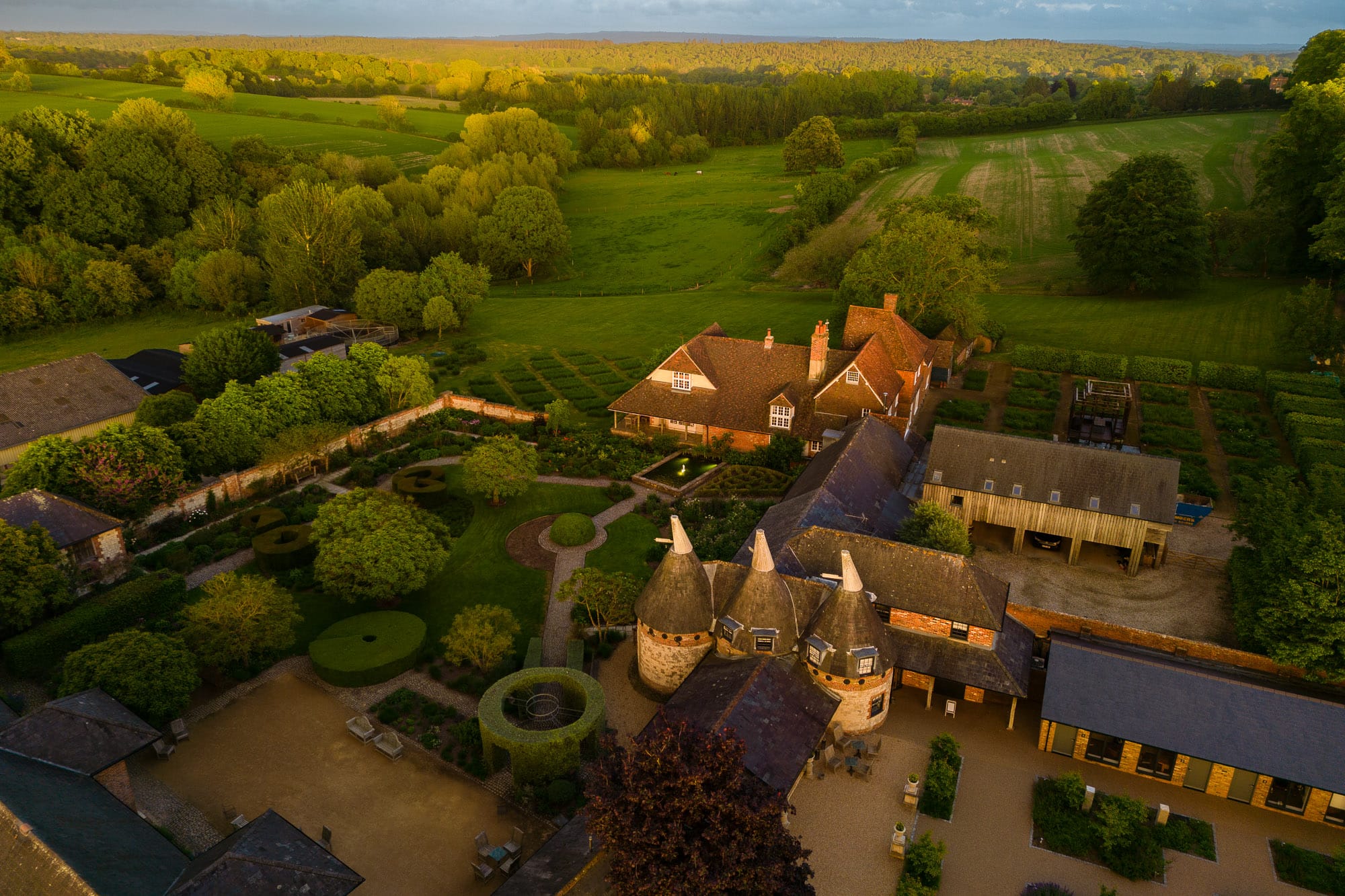
The Mini 3 Pro remains one of the best value propositions in DJI's current lineup
Three years after launch, the Mini 3 Pro continues to impress. It demonstrated that sub-250g drones could deliver professional results, paving the way for the Mini 4 Pro and reshaping expectations across the industry. For anyone who wants serious aerial capability without flagship pricing or heavyweight registration requirements, it remains an outstanding choice – and at current prices, perhaps the smartest drone purchase you can make.