DJI Mini 4K: The Complete Guide
The Best Budget 4K Drone for Beginners
If you've ever fancied getting into drone photography but couldn't justify spending the thick end of a grand on flying camera equipment, DJI has finally heard your prayers. The Mini 4K launched in April 2024 as the company's most affordable 4K drone ever, and at just £269 for the base kit, it's making aerial photography genuinely accessible. This is DJI's answer to everyone who asked: "Can't I just get a decent drone without remortgaging my house?"
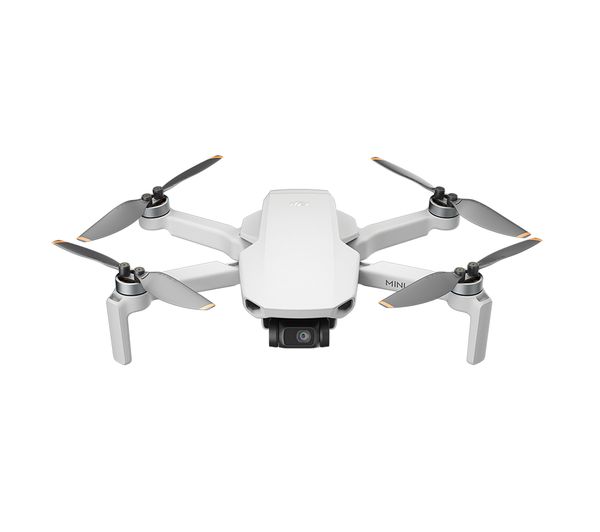
The Mini 4K slots in below the Mini 3 and Mini 4 Pro in DJI's lineup, stripping back some advanced features whilst keeping the essentials intact. You get 4K video recording, a three-axis gimbal, impressive flight time, and DJI's rock-solid build quality – all in a package that weighs less than 249 grams. For absolute beginners or casual users who want quality footage without the complexity, it's a compelling proposition.
The Important Specs
 By Dan Coveney · Founder & Lead Reviewer · Updated December 17, 2025
Let's break down what those specs actually mean in practice. The 1/2.3-inch sensor is the same size you'd find in a decent compact camera – smaller than the sensors in DJI's pricier Mini models, but perfectly capable of capturing good-looking footage in daylight conditions. The 4K/30fps recording gives you genuine Ultra HD resolution, whilst the 2.7K/60fps option offers smoother motion for more dynamic shots.
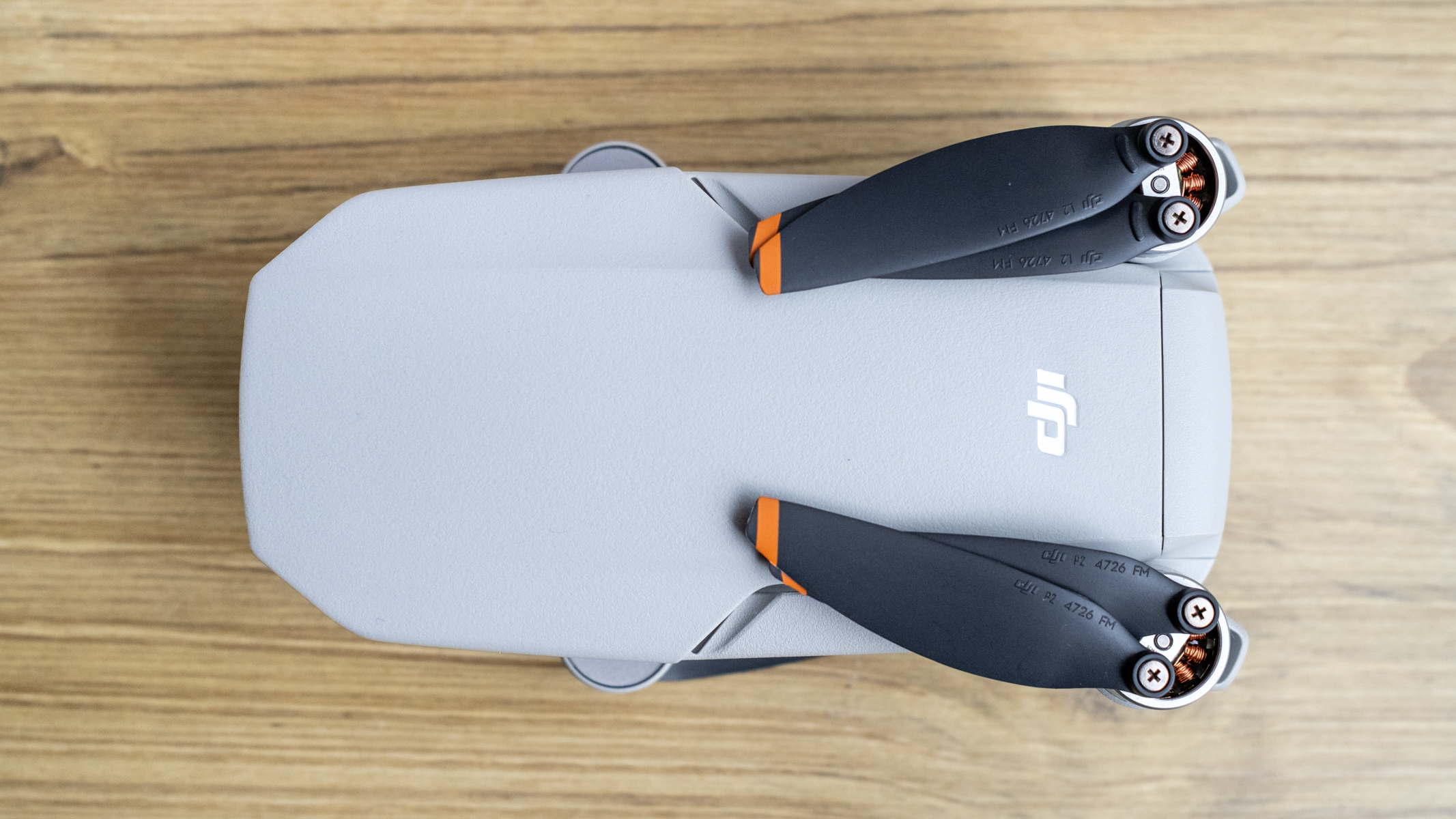
The Mini 4K folds down small enough to fit in a jacket pocket
Design: Pocket-Sized Portability
DJI has absolutely nailed the form factor here. When folded, the Mini 4K measures roughly 138 x 81 x 58mm – about the size of a smartphone, perhaps a touch thicker. It'll slip into a jacket pocket, a small bag compartment, or anywhere you'd normally stash your keys and wallet. Unfold the arms, and it stretches to 245 x 290 x 56mm with a diagonal distance of 214mm between opposite motor centres.
The build quality is excellent for this price point. The body feels solid without being heavy, and the folding mechanism inspires confidence – arms click firmly into both their stored and deployed positions. The gimbal comes with a protective cover for transport, which is worth keeping on whenever the drone isn't actively flying.
At 246 grams (with battery, propellers, and a microSD card installed), the Mini 4K sneaks in just under the crucial 250-gram threshold. This is enormously significant from a regulatory standpoint, as we'll discuss later, and DJI has clearly optimised every gram to ensure compliance.
First-Timer Tip
When you first receive the Mini 4K, resist the temptation to fly immediately. Spend 20 minutes in the DJI Fly app completing the tutorials and familiarising yourself with the controls. Trust me – a little patience now prevents a lot of repair bills later.
Camera Performance: 4K on a Budget
The Mini 4K's camera is mounted on a three-axis mechanical gimbal that handles tilt, roll, and pan stabilisation. This is the same gimbal technology used in DJI's more expensive drones, and it makes an enormous difference to footage quality. No matter how the drone moves, your video stays buttery smooth – it's the single most important feature separating proper camera drones from toy-grade alternatives.
Video recording tops out at 4K (3840 x 2160) at 30 frames per second with a maximum bitrate of 100Mbps. That's a healthy data rate that preserves detail well, though it's worth noting you're limited to the Standard colour profile – there's no D-Log or flat profile for colour grading enthusiasts. If you want more flexibility in post-production, you'll need to step up to the Mini 3 or Mini 4 Pro.
For higher frame rates, drop to 2.7K (2720 x 1530) where you can shoot at 60fps – useful for slight slow motion or simply smoother-looking footage. 1080p goes up to 60fps as well, with digital zoom options: 2x at 4K, 3x at 2.7K, and 4x at 1080p. The zoom is digital rather than optical, so there's some quality loss, but it's handled reasonably well.
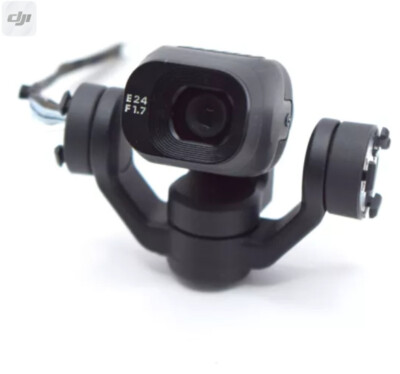
The three-axis gimbal delivers impressively smooth footage even in windy conditions
Photo quality is solid for a drone at this price. The 12MP sensor captures images at 4000 x 3000 pixels, and whilst it won't match a dedicated camera or even a flagship smartphone, it's more than adequate for social media and personal use. The f/2.8 aperture and fixed focus (1m to infinity) mean everything beyond a metre should be sharp, which covers essentially every drone photography scenario.
Flight Performance: Stable and Reliable
DJI quotes a maximum flight time of 31 minutes, though real-world conditions typically deliver somewhere between 25-28 minutes. That's still excellent for a sub-250g drone and among the best in class. The 2590mAh battery charges in around 50-60 minutes with the included charger, so turnaround between flights is reasonable.
The drone handles impressively well in the air. Level 5 wind resistance means it can cope with sustained winds up to 38 kph (about 24 mph), which covers most reasonable flying conditions. In Sport mode, it'll hit a top speed of 57.6 kph (36 mph), though you'll rarely need that outside of racing your mates. Normal and Cine modes offer gentler, more cinematic handling for actual filming.
DJI's O2 transmission system handles the video link between drone and controller, offering a theoretical range of 10km (FCC) or 6km in the UK/Europe (CE). In the real world, with trees, buildings, and radio interference, expect more like 2-4km of reliable range – which is still far more than most beginners will ever need. The 720p live view has approximately 200ms latency, which sounds like a lot but feels responsive enough in practice.
GPS + GLONASS Positioning
Dual satellite systems ensure stable hovering and accurate Return to Home functionality. The drone knows where it is at all times.
Downward Vision Sensors
Optical and infrared sensors on the bottom help with precise hovering at low altitudes and smooth automated landings.
Smart Return to Home
Press one button and the drone flies back to its takeoff point automatically. Works even if you lose signal – essential peace of mind.
4000m Max Altitude
The brushless motors can operate at altitudes up to 4000 metres above sea level – plenty for most locations worldwide.
QuickShots: Automated Cinematography
Even at this budget-friendly price point, DJI has included their QuickShots automated filming modes. These are pre-programmed flight paths that capture professional-looking footage with minimal pilot input – perfect for beginners who haven't yet mastered smooth manual flying.
The Mini 4K supports five QuickShots modes: Dronie (ascending backward reveal shot), Helix (ascending spiral), Rocket (straight vertical ascent), Circle (orbit around subject), and Boomerang (oval path around subject). Each produces genuinely cinematic results that would take considerable skill to achieve manually. Select your subject, choose a mode, and let the drone do its thing.
One notable omission compared to pricier DJI drones is ActiveTrack – the Mini 4K won't automatically follow and track moving subjects. If you want that feature, you'll need to look at the Mini 3 Pro or Mini 4 Pro instead. For most beginners shooting static scenes or self-portraits, however, the included QuickShots cover the essential use cases nicely.
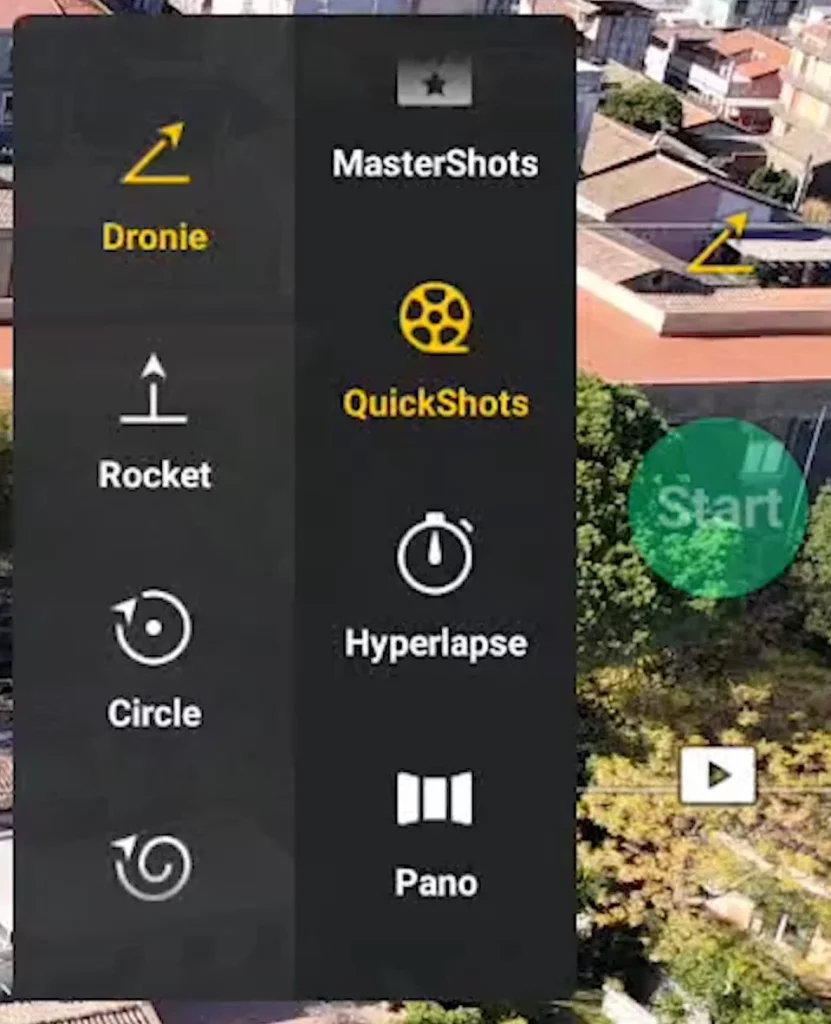
QuickShots modes make capturing cinematic footage surprisingly easy
What's Missing: The Trade-offs
To hit that £269 price point, DJI had to make some compromises, and it's worth understanding what you're giving up compared to pricier options. The most significant omission is obstacle avoidance – the Mini 4K has downward sensors for landing assistance, but nothing watching forward, backward, or to the sides. You need to rely on your own eyes and piloting skills to avoid trees, buildings, and other hazards.
There's also no vertical shooting capability. Whilst the Mini 3 Pro and Mini 4 Pro can rotate their cameras 90 degrees to capture portrait-orientation video (ideal for TikTok and Instagram Stories), the Mini 4K is locked to landscape only. For many users, this won't matter – but if vertical video is essential to your workflow, you'll need to crop in post or look elsewhere.
The sensor is smaller than its more expensive siblings. The Mini 4 Pro's 1/1.3-inch sensor captures significantly more light than the Mini 4K's 1/2.3-inch chip, resulting in better low-light performance and more dynamic range. In good lighting, the difference is subtle; at dawn, dusk, or indoors, it becomes more apparent.
Mini 4K vs Mini 4 Pro
The Mini 4 Pro costs roughly three times as much, but adds a larger 1/1.3" sensor (48MP), omnidirectional obstacle sensing, 4K/60fps and 4K/100fps slow motion, vertical shooting, ActiveTrack 360°, and longer range O4 transmission. If budget allows, it's the better drone – but the Mini 4K still offers remarkable value for £269.
Regulations: The Sub-250g Advantage
One of the Mini 4K's biggest selling points is its sub-250g weight, which has significant regulatory implications depending on where you live. In the UK, drones under 250g used recreationally don't require registration with the CAA or an operator ID – you can fly straight out of the box, provided you follow the Drone Code and stay away from restricted areas.
In the US, the same 250g threshold applies to FAA regulations. Recreational users flying drones under this weight don't need to register the aircraft or comply with Remote ID requirements. This removes substantial administrative friction from drone ownership.
That said, weight exemptions don't make you immune to all regulations. You still can't fly near airports, over crowds, above 120m (400ft) altitude, or beyond visual line of sight. The Mini 4K is a camera drone, not a licence to ignore airspace rules. DJI's Fly app includes built-in geofencing that warns you about restricted areas, which is helpful for staying legal.
Storage and Connectivity
Unlike some DJI drones, the Mini 4K has no internal storage – you'll need to supply your own microSD card. The drone supports cards up to 256GB, and DJI recommends using a UHS-I Speed Grade 3 or higher card to handle the 100Mbps video bitrate. A decent 128GB card costs around £15-20 and will store roughly 2.5 hours of 4K footage.
The drone connects to your phone (Android or iOS) via the included RC-N1C controller, which uses a USB cable to your device. Setup through the DJI Fly app is straightforward – create a DJI account, activate the drone, and you're ready to fly within about 15 minutes. The app handles everything from flight controls to media playback and firmware updates.
For transferring footage, you can either remove the microSD card and use a card reader, or connect via the drone's USB-C port. There's no wireless transfer option, which is a mild inconvenience compared to pricier models, but hardly a dealbreaker given the price.
What's in the Box?
The base Mini 4K package includes the drone itself, one Intelligent Flight Battery, the RC-N1C controller (which requires your smartphone as a display), three pairs of spare propellers, a gimbal protector, screws, and a screwdriver. It's everything you need to start flying, minus a microSD card.
The Fly More Combo adds two additional batteries (three total), a two-way charging hub, and a shoulder bag for transport. If you're planning to use the Mini 4K regularly, the extra batteries are practically essential – one battery gets you maybe 25 minutes of actual flying time, which goes very quickly when you're having fun.
What's the Damage?
£269 / $299 Mini 4K (drone + 1 battery)
£399 / $449 Fly More Combo (3 batteries + charging hub + bag)
These prices make the Mini 4K the most affordable 4K drone in DJI's current lineup, and arguably the best value entry point into serious drone photography. The previous budget champion, the Mini 2 SE, topped out at 2.7K resolution – getting genuine 4K for under £300 is a significant step forward.
The Fly More Combo represents good value if you're committed to using the drone regularly. Two extra batteries and a charging hub would cost around £140-150 if purchased separately, so the bundle saves a decent chunk. The included shoulder bag is basic but functional.

The Fly More Combo adds essential accessories for extended flying sessions
Who Should Buy the Mini 4K?
The Mini 4K is explicitly designed for beginners and casual users. If you've never flown a drone before and want to dip your toes into aerial photography without significant financial commitment, this is the obvious choice. It offers DJI's legendary reliability and ease of use at a price that won't sting too badly if you discover drones aren't for you.
It's also excellent as a travel drone for people who don't need professional-grade footage. The compact size means it'll fit in luggage without consuming precious space, and the sub-250g weight simplifies travel regulations. Holiday videos, landscape photography, and social media content are all well within its capabilities.
Who shouldn't buy it? Anyone who needs obstacle avoidance should look at the Mini 4 Pro or Air 3 instead – flying without collision sensors requires constant vigilance. Content creators who need vertical video, advanced colour profiles, or higher frame rates should also step up to pricier models. And if you're already an experienced pilot, you'd probably appreciate the Mini 4 Pro's extra capabilities.
The Bottom Line
The DJI Mini 4K is the drone that finally makes 4K aerial photography genuinely affordable. At £269, you're getting a capable, well-built flying camera with excellent flight characteristics, reliable transmission, and the kind of footage quality that would have cost twice as much just a couple of years ago. Yes, there are compromises – no obstacle avoidance, no vertical shooting, a smaller sensor than pricier alternatives. But for beginners, casual users, and anyone who wants a solid travel drone without the premium price tag, those trade-offs are easy to accept. DJI has delivered exactly what it promised: a proper 4K drone at a budget-friendly price. If you've been waiting for the right moment to get into drone photography, that moment is now.
Since its April 2024 launch, the Mini 4K has become one of DJI's best-selling drones, and it's easy to see why. This is a product that genuinely opens up drone ownership to a wider audience, removing financial barriers whilst maintaining the quality standards DJI is known for. It won't satisfy professionals or enthusiasts who need advanced features, but it was never meant to. For everyone else – for normal people who just want to capture amazing aerial footage – the Mini 4K is pretty much perfect.